Address
304 North Cardinal St.
Dorchester Center, MA 02124
Work Hours
Monday to Friday: 7AM - 7PM
Weekend: 10AM - 5PM

Address
304 North Cardinal St.
Dorchester Center, MA 02124
Work Hours
Monday to Friday: 7AM - 7PM
Weekend: 10AM - 5PM
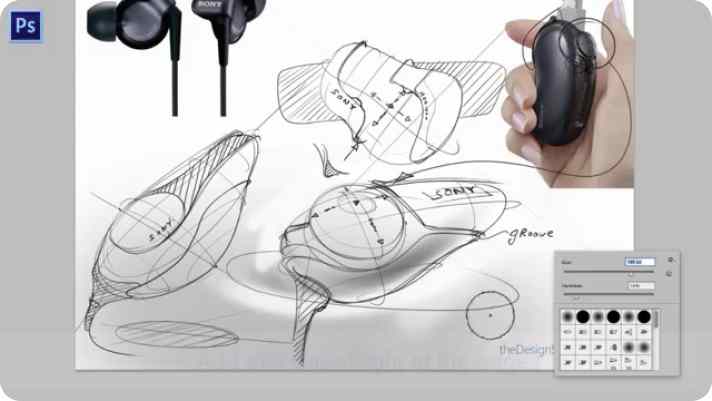
Design for production is a creative occupation. Creative thinking is not, of course, confined to a particular field or to a few individuals, but is possessed in varying degrees by people in many occupations: the artist sketches, the newspaper writer promotes an idea, the teacher encourages student development, the scientist develops a theory, the production design engineer develops improved manufacturing processes or applies improved materials to the creation of a better product.
Creativeness implies newness, but it is as often concerned with the improvement of old plastic products as it is with the creation of new ones. In engineering, the newly created thing must be useful; it should be of benefit to people, yet should not be so much of an innovation that others will not purchase it. A “how-to-make-some-thing-better,attitude, tempered with good judgment, is an essential characteristic of an effective creative engineer. This characteristic differentiates the soundly creative engineer from the crackpot.
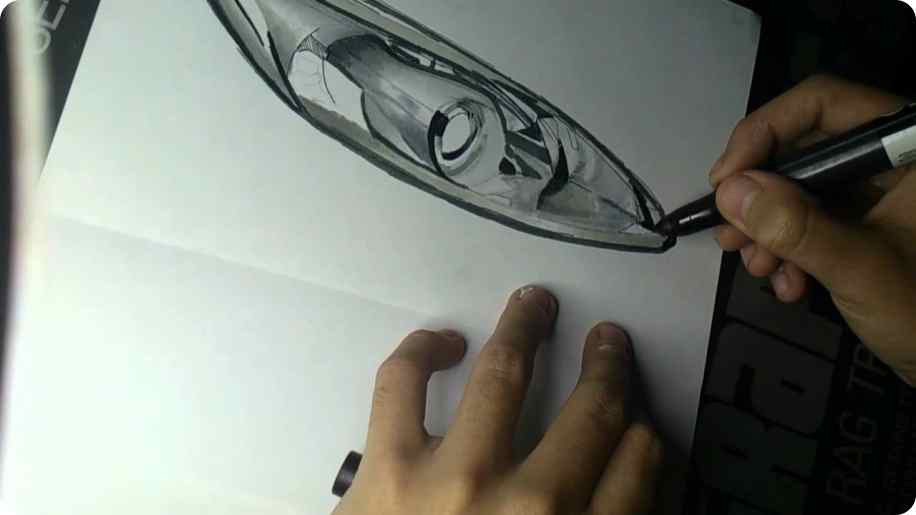
Billions of dollars are being spent today by industry and the federal government on creative thinking in research and development programs, as contrasted to the few million dollars spent at the beginning of the twentieth century. Directors of these programs state that it is impossible to determine the ultimate value of a creative project. Many projects that seem hopeless often become profitable and sometimes revolutionize a whole industry. The main problem is to confine creative effort to the interests of the organization supporting the development work. Creative work is limited by the cost of placing the ideas into production. It has been stated that one creative engineer can keep 2,000 men working. Without creative thinking an industry gradually dies. Creative thinking brings new and improved products, better processes, higher quality, increased sales, steady work, and higher profits. For example, the Dow Chemical Company is the result of creative thinking on the part of Herbert Dow. He founded and developed the organization that helped establish the chemical industry in America in the face of competition from the European cartels. Mr. Dow’s aim in business was to keep creating new custom plastic products or better ways to make old ones. He was one of the first American industrial chemists to see that creation is industry’s big job and to accept the fact that research and development require time, money, and—most important of all—patience and courage in the face of frustration.
Is creative ability born in an individual or is a person able to develop this ability? Both parts of this question can be answered in the affirmative. Certainly some people are born with more creativeness than others, just as certain people are born with a higher I.Q. than others. Also, it is possible to develop creative ability much as it is possible to develop mental and physical skills.
In order to develop creative ability related to production design activities it is necessary to have an understanding of what creative engineering really involves. Creative engineering is, in part, a combination of the following:
Knowledge of fundamental principles of physics, chemistry, mathematics, and engineering subjects is a good foundation for creative thinking. Factual knowledge in the field of endeavor is also necessary. Young engineers cannot be expected to create designs of plastic parts unless they have had contact with many kinds of parts and have studied their uses and methods of manufacture. However, knowledge is only a basis for creative thinking and does not necessarily stimulate it. The inherent persona] characteristics of curiosity,intuitive perception, ingenuity, initiative, and persistence produce an effective creative thinker. Curiosity seems to stimulate more ideas than does any other personal characteristic.

