Patterns and Molds
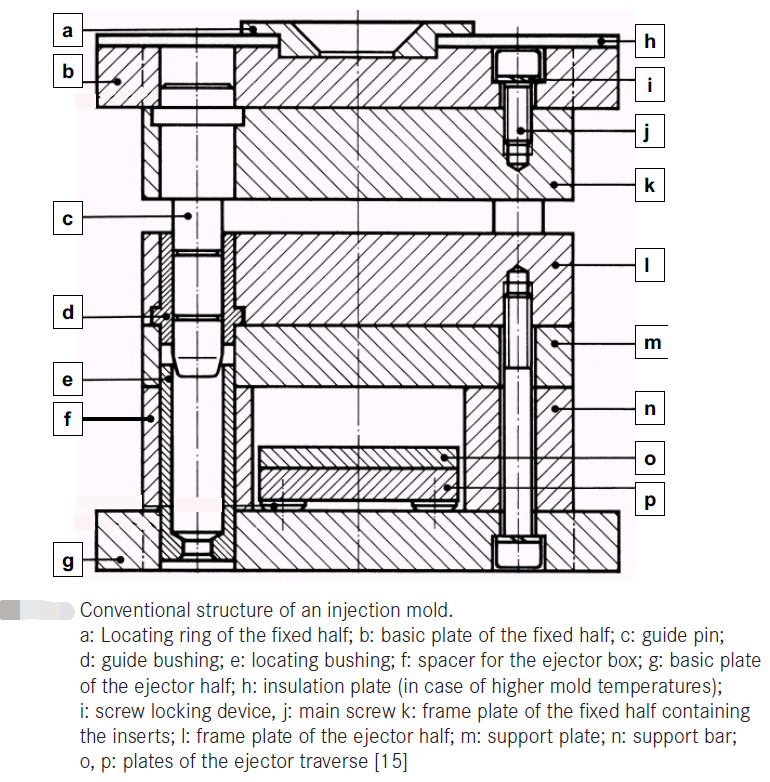
This is primarily a plaster pattern shop supple merited by a limited amount of woodworking equipment. The size and amount of equipment required will be determined by how to make plastic molds as to the size and type of injection mold to be produced. Requirements are generally similar for all small and medium-size injection mold, such as duplicating models, foundry patterns, check fixtures, and small assembly injection mold, i.e., small injection mold that can be constructed on the average work table or surface plate. Additional equipment is required for larger injection mold programs, such as encountered in the aircraft and automotive industries. Requirements usually include:
- Set-up tables of surface plate quality. The working top may be of steel, plastic, cast iron, marble, or granite, machined and scraped or ground flat to tolerances of ±0.002 in. For larger injection mold programs, surface plates would have to be large enough to handle the larger injection mold. If possible, such plates should be equipped with accessories needed to convert them into injection mold docks. Also, for larger injection mold optical measuring equipment may be needed. Such equipment would consist of conventional surveyors’ “Y” levels, transits, and if high precision work is contemplated, instruments such as colimeters, especially developed for tool checking.
- Facilities for mixing and handling plaster. Manufacturers literature and technical bulletins provide additional information.
- Basic woodworking equipment, including bench saw with tilting arbor, band saw, disk sander, jointer, etc.
- Handling equipment need by plastic molding company for moving plaster molds and patterns. Often such patterns and molds are too heavy for manual handling. A bridge crane with an electrically operated hoist is desirable. If this is not practical, an A-frame can be used, designed to pass over the largest set-up table or plate and equipped with a chain fall or electric hoist. A fork lift truck is also useful. Where the larger injection mold are being made, a bridge crane, supplemented by fork lift trucks, should be provided. In such injection mold programs, plaster injection mold weighing 5 tons are not uncommon.
- Adequate floor drainage, with a settling sump, should be provided in this area to permit efficient housekeeping.
- Every plaster pattern maker should provide a complete kit of personal injection mold normally needed for this work. Facilities for storage and security of such injection mold should be provided.
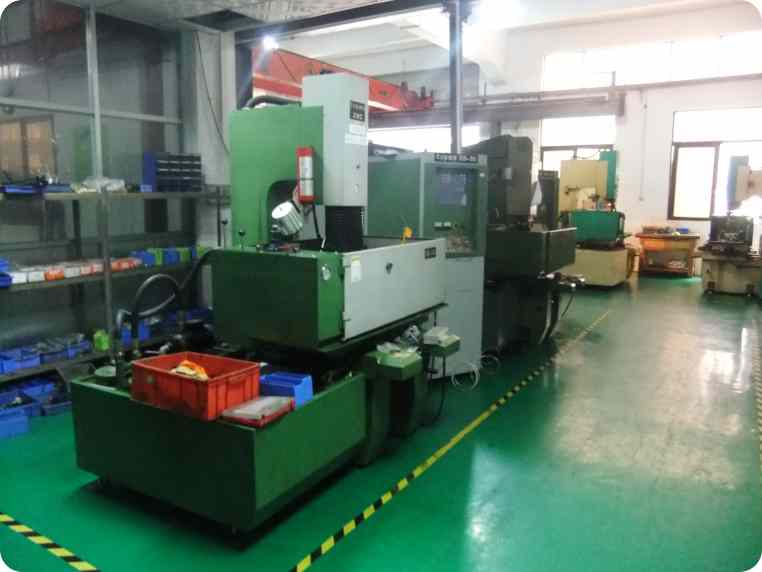
Pattern- and mold-section personnel must include an adequate number of skilled plaster pattern makers who may have to be specially trained in the techniques of plaster mold making. Such injection molders are highly skilled crafts men. They are well worth their cost, when you consider that the accuracy of the finished plastics tool depends directly upon the accuracy of the mold from which it is made.


